Geriatric care is healthcare designed for older adults. It focuses on the full picture of aging, including chronic conditions, medications, mobility, memory, independence, safety, and quality of life.
Unlike general care that may focus on one issue at a time, geriatric care looks at how different health needs connect. It can be especially helpful for older adults who have multiple conditions, take several medications, or need more support staying independent. Health in Aging explains that geriatrics focuses on the unique health needs and abilities of older adults.
Who Needs Geriatric Care?
Not every older adult needs a geriatric specialist, but many benefit from care that is designed around aging. Geriatric-style care may be helpful for people who:
Manage multiple chronic conditions
Take several medications
Have memory concerns or confusion
Experience falls or balance problems
Need help with daily activities
Recently left the hospital
Have caregivers who feel overwhelmed
Geriatric care often focuses on the “5Ms”: mind, mobility, medications, multicomplexity, and what matters most. These areas help providers understand memory, movement, medication safety, overlapping health conditions, and each patient’s personal goals.
How Sage Health Takes Geriatric Care Further
At Sage Health, care for older adults is not treated like a quick appointment. It is built around relationships, regular communication, and a care plan that changes as the patient’s needs change.
A Care Plan Built Around the Patient
Every patient has different needs. Some older adults may only need preventive care and routine check-ins, while others may need closer follow-up for diabetes, heart disease, high blood pressure, arthritis, kidney concerns, memory changes, or other chronic conditions.
Sage Health provides primary care services designed to help seniors manage chronic conditions, prevent illness, and maintain a healthier lifestyle.
More Support for More Complex Needs
When a patient’s health becomes more complicated, Sage Health can adjust the care plan. That may mean more frequent visits, closer monitoring, medication reviews, specialist coordination, or extra help understanding the next step.
This approach is more proactive. Instead of waiting until a condition gets worse, Sage Health works to stay connected and help patients manage changes earlier.
Fewer Patients Better Service
Sage Health keeps patient panels smaller, with each doctor caring for no more than 500 patients. This gives providers more time to listen, build trust, and understand each patient’s health goals.
A Full Team Working Together
Sage Health brings together primary care physicians, cardiologists, nutritionists, and other professionals as part of one care team. This helps older adults receive more coordinated support instead of feeling like they have to manage everything alone.
Sage Health also offers wellness support such as fitness classes, cooking classes, and social gatherings, helping seniors stay active, supported, and connected.
Final Thoughts
Geriatric care is not only for people who are very sick. It can help older adults stay proactive, manage health changes, prevent complications, and maintain independence.
If you or a loved one would benefit from more personal, senior-focused care, visit Sage Health’s primary care centers. To get started, you can also become a patient or contact us for more information.
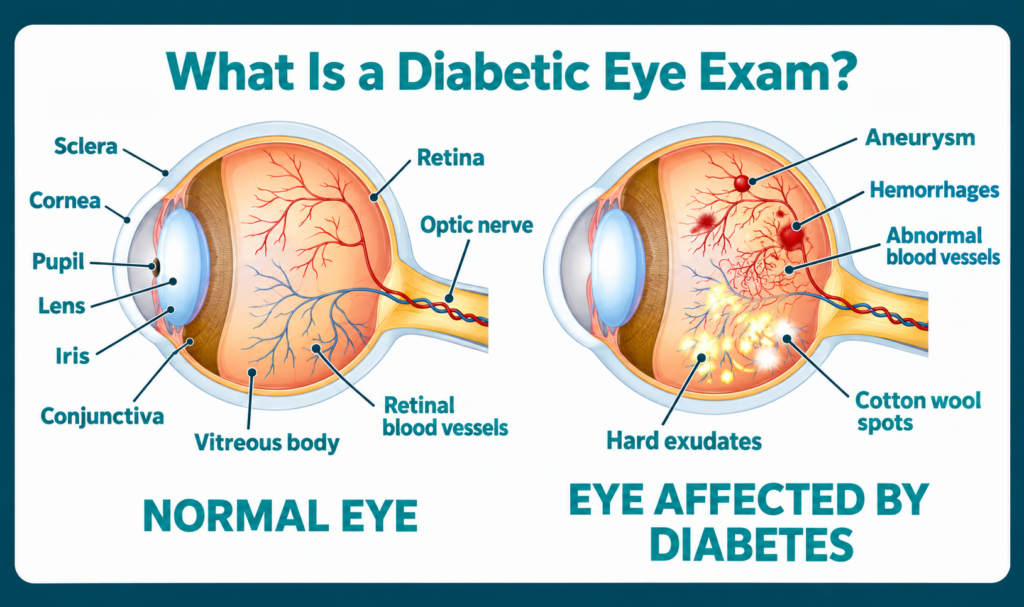
A diabetic eye exam is an important screening that checks for diabetes-related eye problems, especially diabetic retinopathy. Diabetic retinopathy happens when diabetes damages the small blood vessels in the retina, the light-sensitive tissue in the back of the eye. It can lead to vision loss if it is not found and treated early. This exam […]
A diabetic eye exam is an important screening that checks for diabetes-related eye problems, especially diabetic retinopathy. Diabetic retinopathy happens when diabetes damages the small blood vessels in the retina, the light-sensitive tissue in the back of the eye. It can lead to vision loss if it is not found and treated early. This exam […]
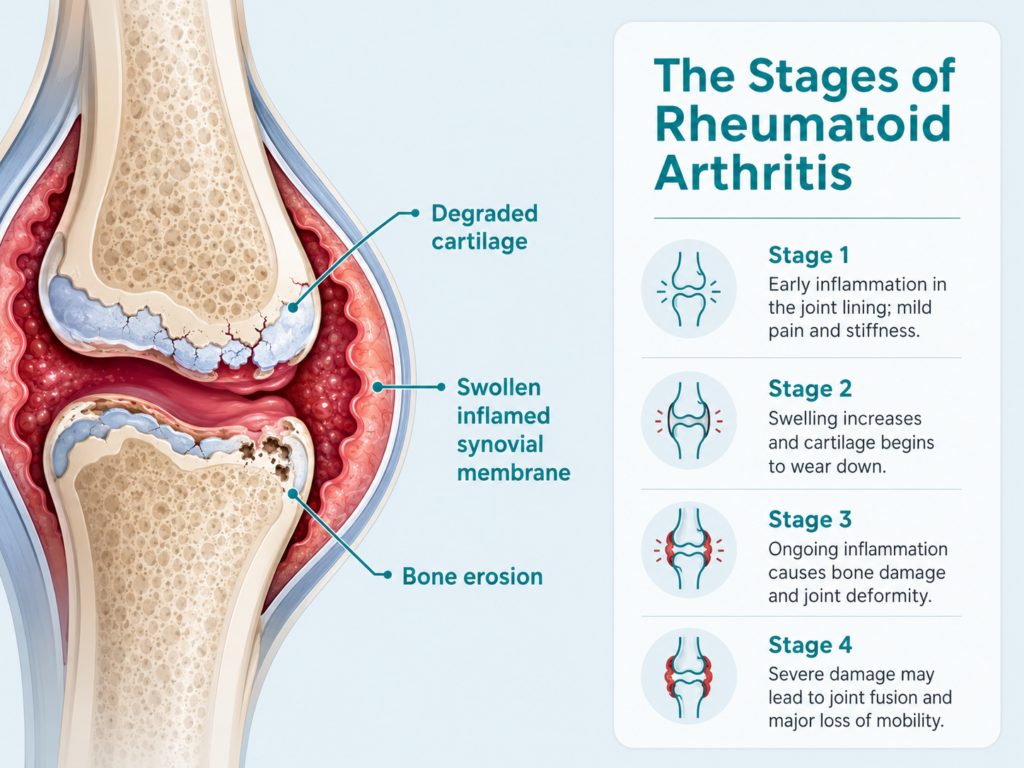
Rheumatoid arthritis can progress in stages, starting with early joint inflammation and, in severe cases, leading to joint damage or loss of movement. Not everyone moves through all four stages, and early treatment can help slow or prevent long-term damage. If you have joint pain, swelling, stiffness, or symptoms that are getting worse, visiting one […]
The Standard Approach to Primary Care Visits For many older adults, primary care is often built around a yearly checkup or annual wellness visit. Medicare Part B covers a yearly “Wellness” visit once every 12 months for eligible patients, and this visit is meant to help create or update a prevention plan based on current […]