» Primary Care » How Often Should Older Adults See a Primary Care Doctor?
How Often Should Older Adults See a Primary Care Doctor?
August 6, 2026
Estimated reading time: 3 minutes
The Standard Approach to Primary Care Visits
For many older adults, primary care is often built around a yearly checkup or annual wellness visit. Medicare Part B covers a yearly “Wellness” visit once every 12 months for eligible patients, and this visit is meant to help create or update a prevention plan based on current health and risk factors.
A yearly visit can be helpful for reviewing medications, checking blood pressure, updating screenings, and talking about preventive care. However, for many seniors, especially those with chronic conditions or changing health needs, one visit a year may not be enough.
How Sage Health Takes a More Personalized Approach
At Sage Health, primary care is not treated as a once-a-year appointment. It is an ongoing relationship between the patient and the care team. Sage Health provides primary care services designed to help seniors manage chronic conditions, prevent illness, and maintain a healthier lifestyle.
A Care Plan Built Around Each Patient
Every patient’s care plan is different. Some patients may only need routine check-ins and preventive care, while others need more frequent visits because of conditions like diabetes, high blood pressure, heart disease, kidney concerns, arthritis, lung disease, or memory changes.
More Visits When Health Needs Change
At Sage Health, patients are checked at least quarterly when needed, and those with more serious or complex health conditions may be seen even more often.
This is part of what makes Sage Health different. Instead of waiting for a problem to arise, the care team is focused on keeping patients well,stays in close communication and adjusts the care plan as the patient’s needs change.
Constant Communication and Care Coordination
If a patient’s condition becomes more serious, Sage Health can schedule more visits, coordinate care, review medications, and help the patient navigate the next steps.
Fewer Patients Better Service
Sage Health can do this because they keep patient panels smaller than a typical doctor’s office. Each Sage Health doctor has no more than 500 patients, which gives providers more time to listen, build relationships, and understand each patient’s health goals.
Patients benefit from having a full care team. Sage Health brings together primary care physicians, cardiologists, nutritionists, and other professionals to support the whole person, not just one condition. Sage Health also offers wellness programs, fitness classes, cooking classes, and social opportunities to help seniors stay active and engaged.
If you are looking for care that is more personal, proactive, and senior-focused, visit one of Sage Health’s primary care centers. To get started, you can also become a patient or contact us for more information.
At Sage Health, older adults do not have to face health challenges alone. The goal is simple: more time, more support, and a care plan built around the patient.
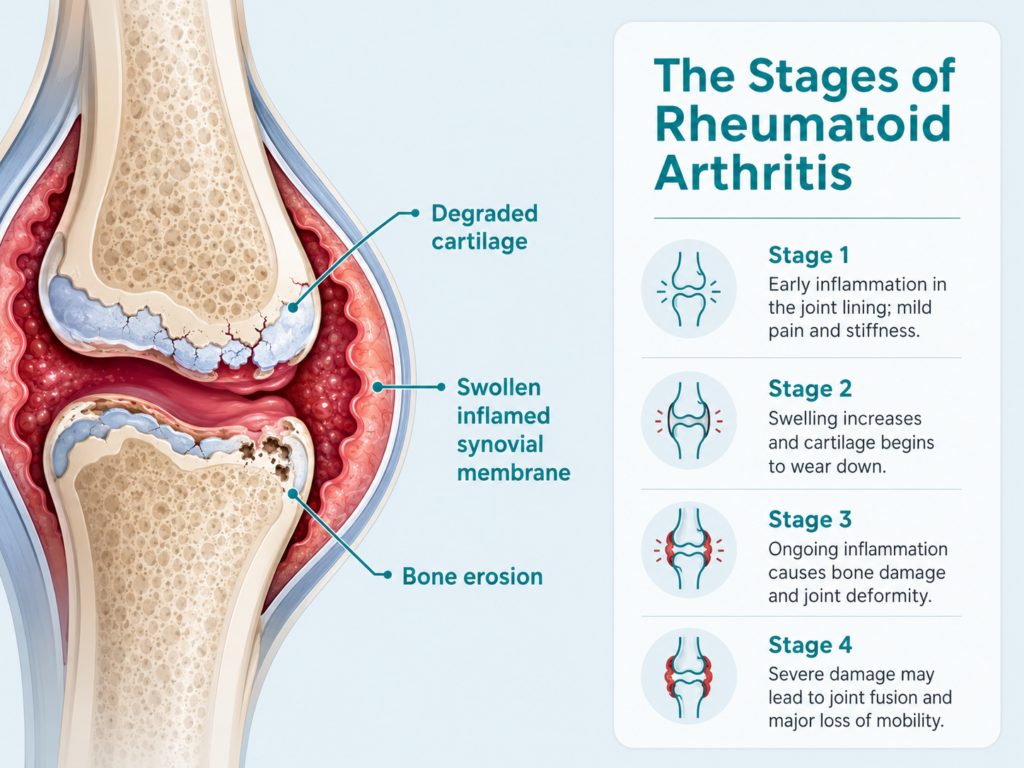
Rheumatoid arthritis can progress in stages, starting with early joint inflammation and, in severe cases, leading to joint damage or loss of movement. Not everyone moves through all four stages, and early treatment can help slow or prevent long-term damage. If you have joint pain, swelling, stiffness, or symptoms that are getting worse, visiting one […]
Rheumatoid arthritis can progress in stages, starting with early joint inflammation and, in severe cases, leading to joint damage or loss of movement. Not everyone moves through all four stages, and early treatment can help slow or prevent long-term damage. If you have joint pain, swelling, stiffness, or symptoms that are getting worse, visiting one […]
Geriatric care is healthcare designed for older adults. It focuses on the full picture of aging, including chronic conditions, medications, mobility, memory, independence, safety, and quality of life. Unlike general care that may focus on one issue at a time, geriatric care looks at how different health needs connect. It can be especially helpful for […]
If you’ve been asking what is the difference between a nutritionist and a dietitian, you’re not alone. While the terms are often used interchangeably, they are not the same and choosing the right one can make a big difference in your health outcomes. The short answer: Understanding this difference helps you choose the right support, […]