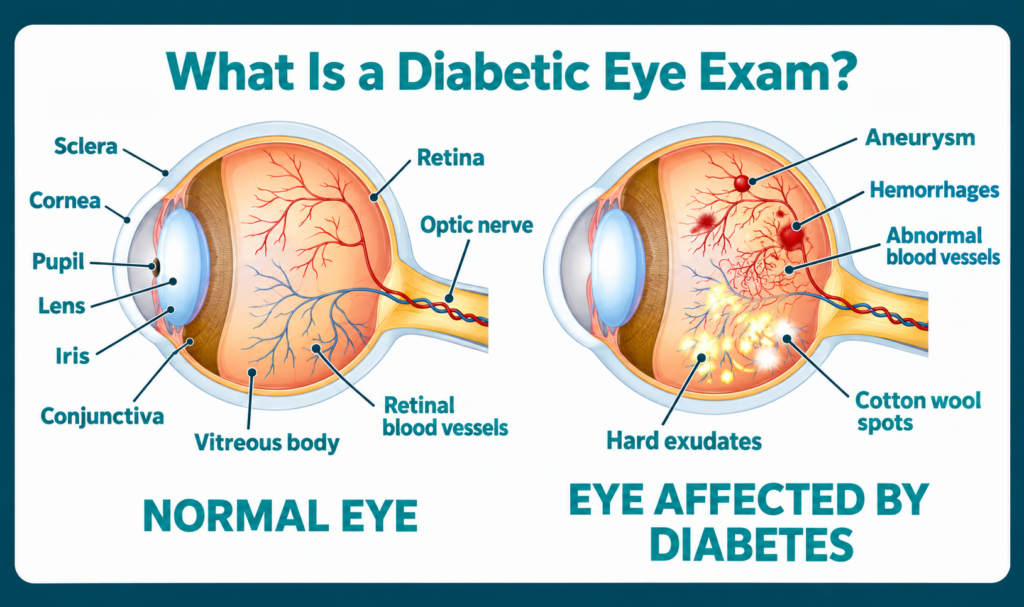
A diabetic eye exam is an important screening that checks for diabetes-related eye problems, especially diabetic retinopathy. Diabetic retinopathy happens when diabetes damages the small blood vessels in the retina, the light-sensitive tissue in the back of the eye. It can lead to vision loss if it is not found and treated early.
This exam matters because diabetic eye disease may not cause symptoms at first. Your vision can feel normal while changes are already happening in the back of the eye. The American Diabetes Association notes that a yearly dilated eye exam or retinal photography can help detect diabetes-related eye disease early and reduce the risk of vision loss.
At Sage Health, diabetic eye exams are part of a broader approach to diabetes chronic condition management. Sage Health provides comprehensive primary care services that help patients manage chronic conditions, prevent illness, and maintain a healthier lifestyle.
If you have diabetes and are not sure when your last eye exam was, visit one of Sage Health’s primary care centers.
What Does a Diabetic Eye Exam Consist Of
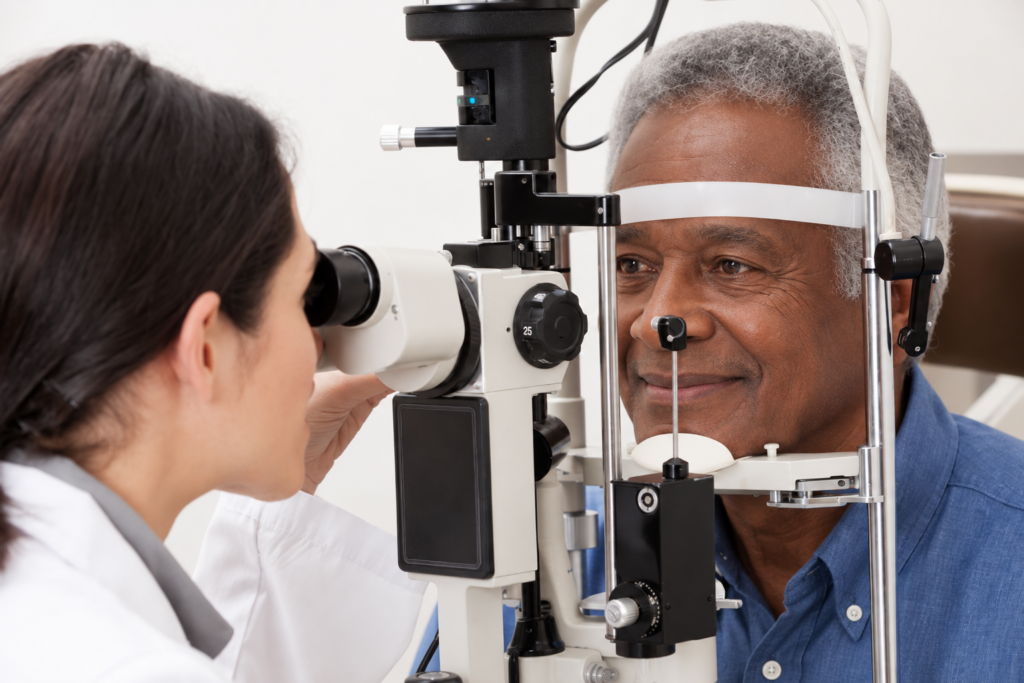
A diabetic eye exam checks for signs of diabetes-related damage in the eyes. Traditionally, this may include dilation, vision testing, eye pressure testing, retinal photos, or other imaging.
At Sage Health, diabetic eye exams are made more convenient by using a RetinaVue machine in the primary care office. This allows patients to receive retinal imaging during a primary care visit, helping identify signs of diabetic retinopathy without always needing a separate eye doctor appointment first.
The RetinaVue care delivery model is designed to help detect diabetic retinopathy during routine primary care visits, with a simple eye exam that takes only minutes to complete.
A diabetic eye exam may help screen for:
Diabetic retinopathy
Diabetic macular edema
Other diabetes-related retinal changes
Signs that further eye care may be needed
If the retinal images show a concern, Sage Health’s primary care team can help guide the next step, which may include referral to an optometrist, ophthalmologist, or retina specialist.
How Is a Diabetic Eye Exam Different From a Regular Eye Exam?
A regular eye exam often focuses on vision, glasses, contacts, and general eye health. A diabetic eye exam focuses more specifically on the retina and blood vessels in the back of the eye.
This is important because high blood sugar can damage blood vessels in the eyes over time. The American Diabetes Association explains that diabetes-related eye disease can happen when blood vessels in the back of the eye weaken, leak, and affect vision.
A diabetic eye exam is not just about whether you can see clearly. It helps your care team look for early signs of eye disease before symptoms appear.
How Long Does a Diabetic Eye Exam Take
At Sage Health, a diabetic eye exam using RetinaVue is designed to be convenient and can often be done during a primary care visit. The exact time may vary by location, patient needs, and whether additional follow-up is needed.
Part of Exam
What Happens
Typical Time
Check in and healt history
Review diabetes history, medications, symptoms, and vision changes
10-15 minutes
Vision and eye pressure testing
Checks eyesight and screens for pressure-related concerns
10-20 minutes
Dilation
Eye drops widen the pupils
15-30 minutes
Retina exam or imaging
Doctor checks the back of the eye, retinal photos or OCT may be used
20-60 minutes
Results and next steps
Doctor explains findings and follow-up plan
10-20 minutes
The key benefit is convenience. Instead of having to schedule a separate eye appointment right away, patients may be able to complete this important diabetes screening in the same place they receive primary care.
Where Can I Get a Diabetic Eye Exam
You can get a diabetic eye exam through an eye care provider, but Sage Health makes this screening easier by offering diabetic eye exams in the primary care office using RetinaVue.
This is especially helpful for older adults managing diabetes because eye health is only one part of diabetes care. Sage Health’s primary care physicians can review your blood sugar, blood pressure, cholesterol, medications, and other health needs while also helping you stay on track with important diabetic screenings.
If the screening shows that more specialized eye care is needed, Sage Health can help point you to the right eye doctor for your condition.
How Much Does a Diabetic Eye Exam Cost
The cost of a diabetic eye exam can vary depending on your insurance, plan benefits, location, and whether additional follow-up testing or specialist care is needed.
If you are unsure what is covered, Sage Health’s care team can help you understand the next steps and guide you on what to ask your insurance provider.
How Sage Health Supports Diabetes Chronic Condition Management
Sage Health’s goal is not just to offer one screening. The goal is to support the whole patient through better diabetes chronic condition management.
For someone living with diabetes, that may include regular primary care visits, blood sugar monitoring, medication reviews, nutrition support, blood pressure checks, cholesterol management, kidney health monitoring, and diabetic eye screenings.
Sage Health’s primary care services include chronic disease management, preventive care, blood pressure monitoring, health screenings, lab testing, and lifestyle support for senior patients.
By offering diabetic eye exams in the primary care office, Sage Health helps make preventive diabetes care more convenient and easier to complete.
FAQs
Can Diabetics Have Laser Eye Surgery?
Some people with diabetes can have laser eye treatment, but it depends on the reason for the procedure and the health of the eyes. For diabetic retinopathy, laser treatment may be used to reduce swelling in the retina and help stop leaking blood vessels.
If you mean LASIK or another vision-correction surgery, the answer depends on factors like blood sugar control, eye health, prescription stability, dry eye risk, and whether diabetic retinopathy is present. An eye doctor can determine whether laser eye surgery is safe for your situation.
Final Thoughts
A diabetic eye exam is an important part of diabetes care because it can help find signs of eye disease before vision loss occurs.
At Sage Health, diabetic eye exams are made more convenient by offering RetinaVue retinal imaging in the primary care office as part of comprehensive diabetes chronic condition management. If you have diabetes and want support managing your overall health, visit one of Sage Health’s primary care centers to get started.
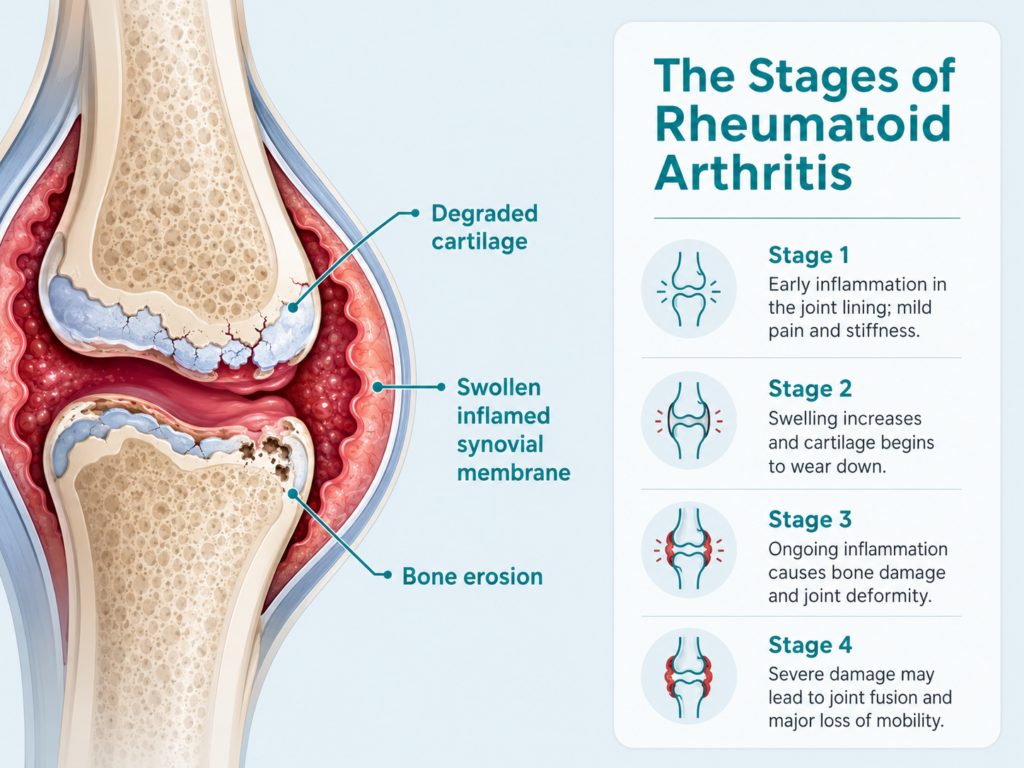
Rheumatoid arthritis can progress in stages, starting with early joint inflammation and, in severe cases, leading to joint damage or loss of movement. Not everyone moves through all four stages, and early treatment can help slow or prevent long-term damage. If you have joint pain, swelling, stiffness, or symptoms that are getting worse, visiting one […]
Rheumatoid arthritis can progress in stages, starting with early joint inflammation and, in severe cases, leading to joint damage or loss of movement. Not everyone moves through all four stages, and early treatment can help slow or prevent long-term damage. If you have joint pain, swelling, stiffness, or symptoms that are getting worse, visiting one […]
Geriatric care is healthcare designed for older adults. It focuses on the full picture of aging, including chronic conditions, medications, mobility, memory, independence, safety, and quality of life. Unlike general care that may focus on one issue at a time, geriatric care looks at how different health needs connect. It can be especially helpful for […]
Many people use the terms Alzheimer and dementia interchangeably, which often leads to confusion. A common question patients and families ask is: what is the difference between Alzheimer and dementia? While they are closely related, they are not the same thing. Understanding the difference between dementia and Alzheimer can help you recognize symptoms earlier, seek […]