» Primary Care » Internal Medicine vs Family Medicine: What’s the Difference?
Internal Medicine vs Family Medicine: What’s the Difference?
July 28, 2025
Estimated reading time: 2 minutes
When it comes to choosing a primary care doctor, many people wonder about the difference between internal medicine and family medicine. Both specialties focus on providing comprehensive care, but they have key distinctions in the type of patients they treat and the conditions they manage. Understanding these differences can help you make an informed decision when selecting a primary care provider. At Sage Health, we’re here to guide you on your journey to better health. Becoming a patient at Sage Health means having access to trusted care, whether you’re seeking a family physician or an internal medicine specialist.
Become a patient at Sage Health for comprehensive primary care for seniors
What is the Difference Between Family Medicine & Internal Medicine
The primary difference between family medicine and internal medicine lies in the range of patients they serve:
Family Medicine:
Treats patients of all ages (newborns to seniors).
Provides care for a variety of health issues, including preventive care, chronic conditions, and acute illnesses.
Family doctors are trained to care for entire families, making them a versatile choice for individuals and families seeking comprehensive healthcare.
Internal Medicine:
Specializes in treating adults, particularly managing complex or chronic health conditions.
Focuses on diagnosing and treating adult diseases like heart disease, diabetes, and respiratory issues.
Internists have advanced training in specific diseases affecting adults, making them experts in managing adult medical cases.
What’s The Similarities Between Internal Medicine & Family Practice
While internal medicine and family practice differ in their patient populations, they share key similarities:
Comprehensive Healthcare:
Both specialties focus on overall patient care, including regular check-ups, chronic disease management, and preventive care.
Both provide personalized healthcare guidance on lifestyle, wellness, and disease prevention.
Preventive Services:
Both family medicine and internal medicine doctors offer preventive services such as immunizations, screenings, and wellness exams.
Both are committed to ensuring their patients live healthy lives and can prevent illnesses before they arise.
At Sage Health, our family medicine and internal medicine doctors work closely together to provide the best care possible for our patients. No matter which specialist you choose, our team is here to support your health journey every step of the way.
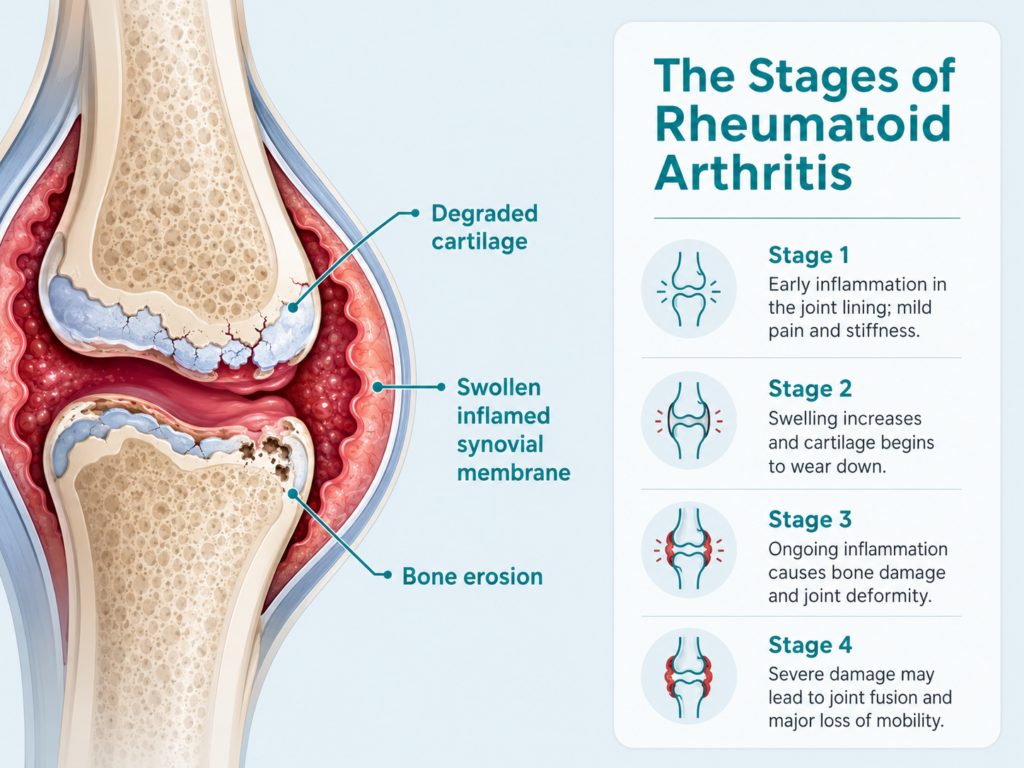
Rheumatoid arthritis can progress in stages, starting with early joint inflammation and, in severe cases, leading to joint damage or loss of movement. Not everyone moves through all four stages, and early treatment can help slow or prevent long-term damage. If you have joint pain, swelling, stiffness, or symptoms that are getting worse, visiting one […]
Rheumatoid arthritis can progress in stages, starting with early joint inflammation and, in severe cases, leading to joint damage or loss of movement. Not everyone moves through all four stages, and early treatment can help slow or prevent long-term damage. If you have joint pain, swelling, stiffness, or symptoms that are getting worse, visiting one […]
Geriatric care is healthcare designed for older adults. It focuses on the full picture of aging, including chronic conditions, medications, mobility, memory, independence, safety, and quality of life. Unlike general care that may focus on one issue at a time, geriatric care looks at how different health needs connect. It can be especially helpful for […]
The Standard Approach to Primary Care Visits For many older adults, primary care is often built around a yearly checkup or annual wellness visit. Medicare Part B covers a yearly “Wellness” visit once every 12 months for eligible patients, and this visit is meant to help create or update a prevention plan based on current […]