Yes. Smoking can cause clogged arteries by damaging the blood vessels, increasing inflammation, raising blood pressure, and making it easier for plaque to build up inside the arteries.
Over time, this plaque can narrow the arteries and reduce blood flow to the heart, brain, legs, and other parts of the body.
Many people ask, “does smoking clog your arteries?” Smoking cigarettes does not clog arteries overnight, but it can speed up atherosclerosis, which is the buildup of plaque inside artery walls. This can increase the risk of heart attack, stroke, and peripheral artery disease.
If you smoke cigarettes and are concerned about your heart or artery health, visiting one of Sage Health’s primary care centers can help you check your blood pressure, cholesterol, and overall cardiovascular risk.
Does Smoking Constrict Your Blood Vessels?
Yes. Smoking can constrict your blood vessels because nicotine and other chemicals in cigarette smoke can cause blood vessels to tighten. This raises blood pressure, makes the heart work harder, and reduces healthy blood flow.
Smoking can cause clogged arteries due to repeated blood vessel irritation, inflammation, and narrowing. When blood vessels are damaged over time, plaque is more likely to form and restrict circulation.
What Does Smoking Do to Blood Vessels?
Smoking affects blood vessels in several harmful ways. Over time, these effects help explain why smoking cigarettes can cause clogged arteries and increase cardiovascular risk.
Damages the inner lining of blood vessels
Makes arteries stiffer and less flexible
Increases blood pressure and heart rate
Makes plaque buildup more likely
Raises the risk of blood clots
Reduces oxygen delivery throughout the body
Increases the risk of heart disease, stroke, and peripheral artery disease
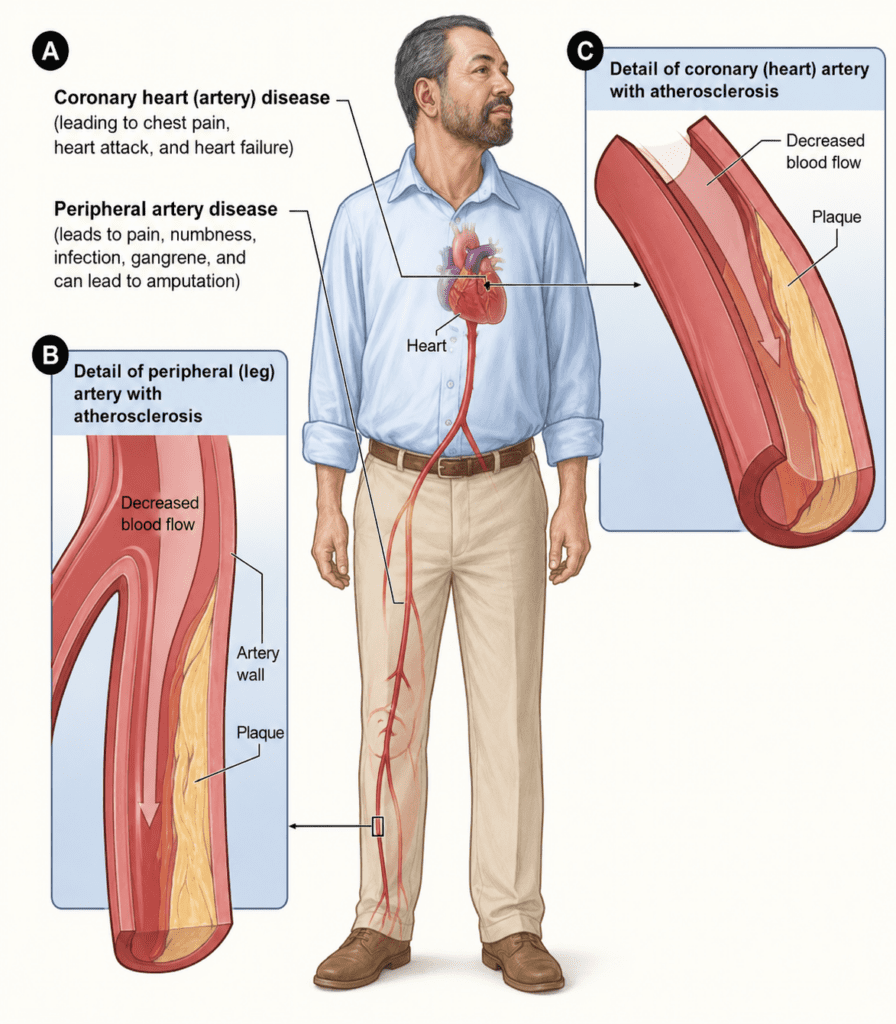
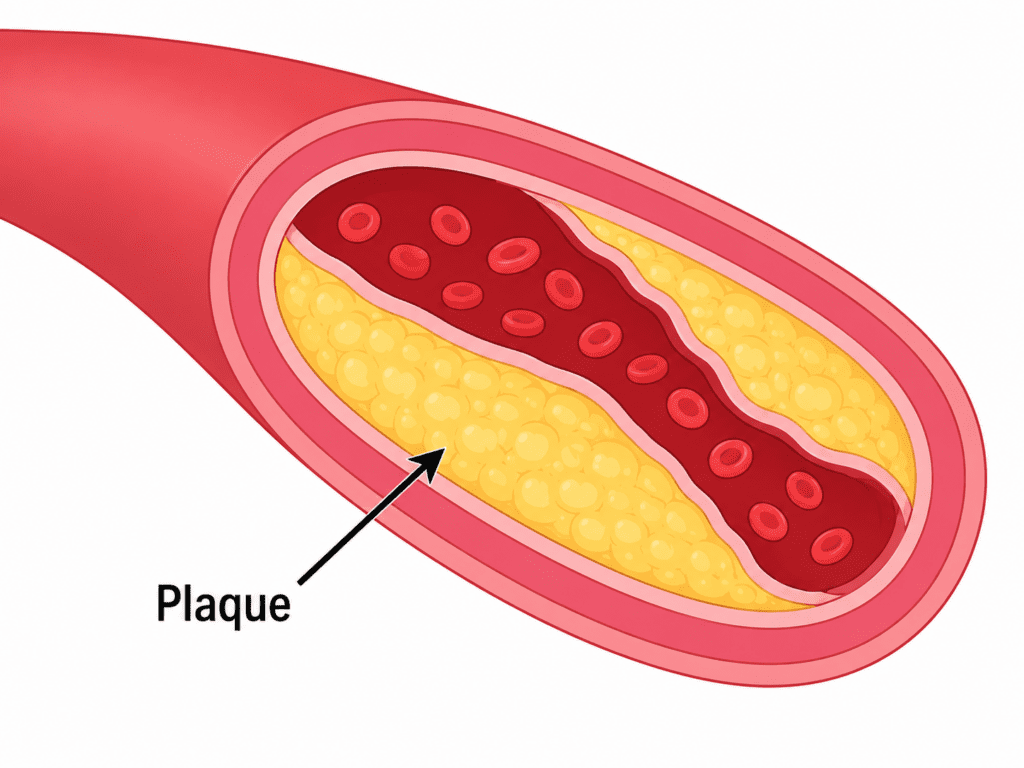
Yes. Smoking can cause plaque in arteries by injuring the blood vessel lining and making it easier for cholesterol, fat, calcium, and other substances to collect inside artery walls. This condition is called atherosclerosis.
As plaque builds up, arteries become narrower and blood flow becomes restricted. If plaque breaks open, a blood clot can form and block blood flow, which may lead to a heart attack or stroke.
If you have risk factors like high blood pressure, diabetes, high cholesterol, or a family history of heart disease, a provider at one of Sage Health’s primary care centers can help you create a prevention plan.
Will Quitting Smoking Reverse Damage to Arteries?
Quitting smoking may not completely remove plaque that has already built up, but it can slow further damage and significantly lower your risk of heart disease and stroke.
After one year, the risk of coronary heart disease is cut in half. Between 5 and 15 years after quitting, stroke risk can drop close to that of someone who does not smoke.
The earlier you quit, the more your heart and blood vessels can benefit. Even if you have smoked for years, stopping can still improve circulation, reduce inflammation, and lower your cardiovascular risk.
Final Thoughts
So, can smoking cause clogged arteries? Yes. Smoking cigarettes damages blood vessels, increases plaque buildup, constricts arteries, and raises the risk of serious cardiovascular problems.
The good news is that quitting can help your body begin repairing itself and lower your future risk. If you’re ready to take the next step, visit one of Sage Health’s primary care centers for personalized support and guidance.
Yes, vaping may contribute to artery problems over time. E-cigarettes and vape products can affect the lining of your blood vessels, increase inflammation, raise blood pressure, and make arteries less flexible. These changes may increase the risk of plaque buildup, blood clots, and cardiovascular disease. Vaping is often marketed as less harmful than traditional smoking, […]
Yes, vaping may contribute to artery problems over time. E-cigarettes and vape products can affect the lining of your blood vessels, increase inflammation, raise blood pressure, and make arteries less flexible. These changes may increase the risk of plaque buildup, blood clots, and cardiovascular disease. Vaping is often marketed as less harmful than traditional smoking, […]
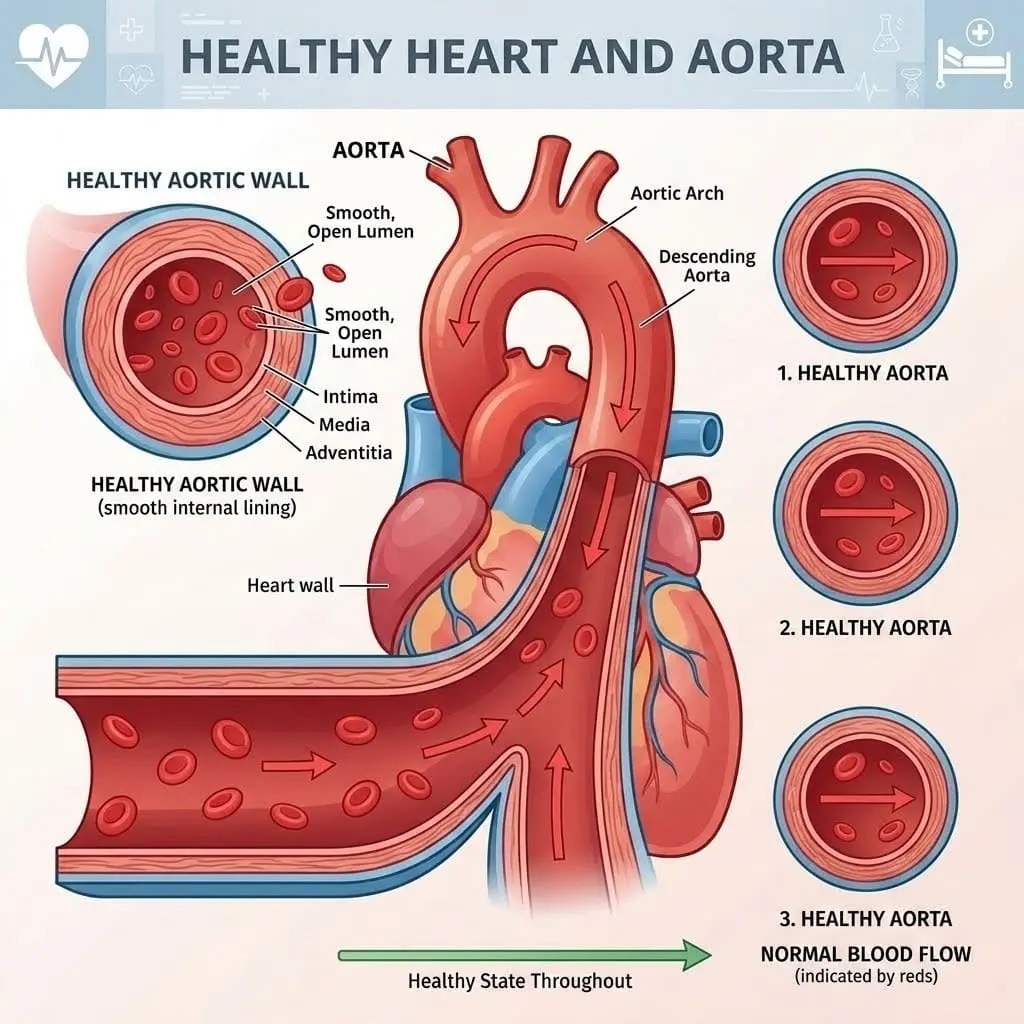
Atherosclerosis of the aorta is a condition where plaque builds up in the walls of the aorta, the largest artery in your body. This plaque is made up of fat, cholesterol, and other substances that harden over time and narrow the artery. Atherosclerosis of the aorta is more commonly known as “hardening of the arteries”. […]
Guide to Cardiology Getting older comes with unique health considerations, and heart health is among the most important. Cardiology is the medical field dedicated to the heart and circulatory system – in simple terms, it is the study and care of the heart. In this comprehensive guide to cardiology, we’ll explain key concepts in senior-friendly […]