Millions of people turn to joint health supplements to ease arthritis pain, improve mobility, and protect joint function. With so many options available from glucosamine to omega-3s, it’s natural to wonder: do joint supplements work?
While research shows mixed results, certain supplements may help reduce joint pain and inflammation, especially when paired with medical treatment and lifestyle changes.If you are living with arthritis, working with your primary care provider can help you decide which supplements are safe and effective for you. To get comprehensive primary care, become a patient today.
What Are Supplements for Joints & Arthritis?
Joint health supplements are vitamins, minerals, or natural compounds that support cartilage, bone, and connective tissue. They are often marketed as ways to:
Reduce inflammation
Ease stiffness and joint pain
Slow cartilage breakdown
Improve mobility
Some of the most popular supplements for arthritis include glucosamine, chondroitin, omega-3 fatty acids, vitamin D, collagen, and curcumin (turmeric extract).
Do Joint Supplements Work?
The short answer to if joint supplements work is, Sometimes.
Glucosamine & Chondroitin: These are the most common arthritis supplements. Research shows mixed results; some studies find modest pain relief, while others show little effect. They may be more helpful in moderate to severe osteoarthritis.
Omega-3 fatty acids: Found in fish oil, these can reduce inflammation and stiffness, especially for rheumatoid arthritis.
Curcumin (turmeric): A natural anti-inflammatory compound shown to reduce arthritis-related pain in some studies.
Vitamin D: Supports bone strength and helps regulate inflammation. Deficiency is common in people with rheumatoid arthritis.
Supplements are most effective when used as part of a comprehensive care plan not as replacements for medical treatment.
Several supplements are widely considered beneficial for joint health:
Glucosamine: May slow cartilage breakdown.
Chondroitin: Helps cartilage retain water for flexibility.
Collagen: Provides building blocks for cartilage and connective tissue.
Omega-3s: Reduce inflammation and stiffness.
Vitamin D: Strengthens bones and may reduce arthritis symptoms.
What Is the Most Effective Joint Supplement?
There is no one-size-fits-all answer, but studies often highlight glucosamine, chondroitin, and omega-3s as among the most effective. For many, a combination of supplements works best.
For example, glucosamine + chondroitin may help with osteoarthritis pain, while omega-3s are more effective for inflammatory arthritis like rheumatoid arthritis.
Omega-3 fatty acids: Shown to reduce joint stiffness and tenderness.
Collagen: May reduce pain and improve mobility by supporting cartilage repair.
MSM (Methylsulfonylmethane): Sometimes included in joint formulas for its anti-inflammatory effects.
To get comprehensive care with primary care, become a patient today.
What Is the Best Supplement for Joint Health?
The “best” supplement depends on the type of arthritis:
Osteoarthritis: Glucosamine and chondroitin.
Rheumatoid arthritis: Omega-3 fatty acids and vitamin D.
General joint health: Collagen and curcumin.
Best Collagen Type 2 Supplements for Joints
Collagen Type II is the main structural protein in cartilage. Supplements containing undernatured Type II collagen (UC-II) may help reduce pain and improve joint flexibility, especially in osteoarthritis patients.
Collagen supplements are often paired with vitamin C for better absorption.
What Supplements Are Good for Arthritis?
For arthritis management, the following supplements show promise:
Glucosamine & Chondroitin – Support cartilage health.
Curcumin (turmeric extract) – Acts as a natural anti-inflammatory.
Vitamin D – Often low in RA patients; supplementation may improve symptoms.
Green Tea Extract (EGCG) – Shown in early research to reduce joint inflammation.
The Bottom Line on Joint Health Supplements
While supplements are not a cure, they may help relieve arthritis symptoms when combined with a healthy lifestyle, physical therapy, and prescribed medications.
Always consult your doctor before starting supplements, as some can interact with medications or affect conditions like diabetes or blood clotting.
FAQs About Joint Supplements and Arthritis
Do joint supplements really rebuild cartilage?
No supplement has been proven to fully rebuild cartilage, but some may slow breakdown and support joint cushioning.
How long does it take for joint supplements to work?
It may take several weeks to a few months to notice improvements, depending on the supplement and severity of arthritis.
Can I take multiple joint supplements at once?
Yes, but check with your doctor to avoid interactions (for example, glucosamine and blood thinners).
Are natural supplements safer than prescription drugs?
Not always. “Natural” doesn’t mean risk-free. Supplements can cause side effects or interact with medications.
Should I rely only on supplements for arthritis treatment?
No. Supplements should complement — not replace — medical care, physical activity, and a healthy diet.
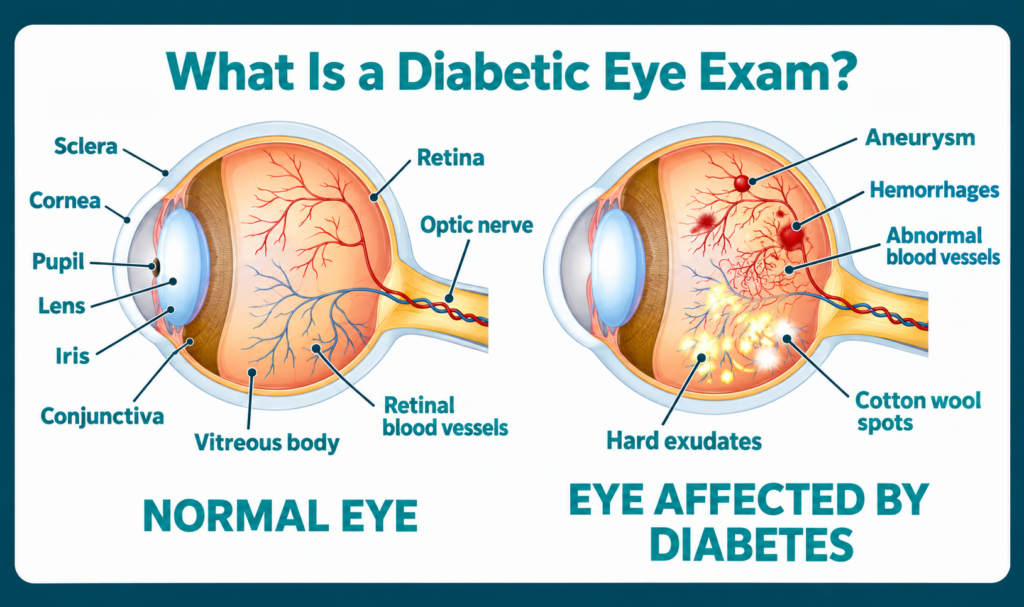
A diabetic eye exam is an important screening that checks for diabetes-related eye problems, especially diabetic retinopathy. Diabetic retinopathy happens when diabetes damages the small blood vessels in the retina, the light-sensitive tissue in the back of the eye. It can lead to vision loss if it is not found and treated early. This exam […]
A diabetic eye exam is an important screening that checks for diabetes-related eye problems, especially diabetic retinopathy. Diabetic retinopathy happens when diabetes damages the small blood vessels in the retina, the light-sensitive tissue in the back of the eye. It can lead to vision loss if it is not found and treated early. This exam […]
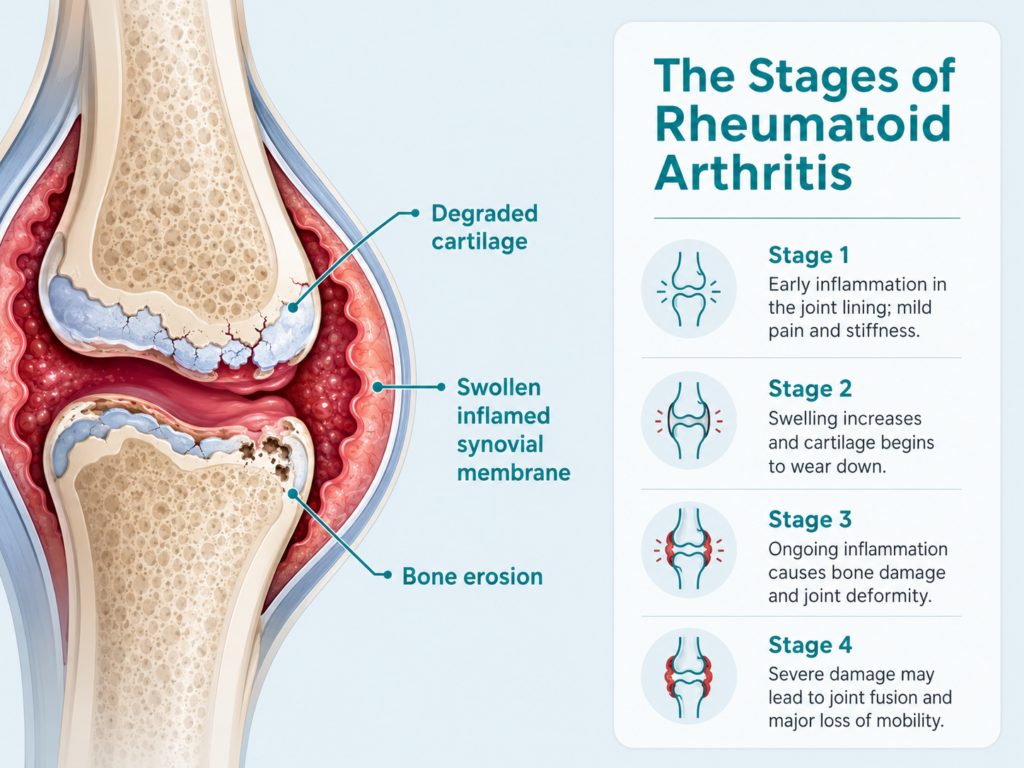
Rheumatoid arthritis can progress in stages, starting with early joint inflammation and, in severe cases, leading to joint damage or loss of movement. Not everyone moves through all four stages, and early treatment can help slow or prevent long-term damage. If you have joint pain, swelling, stiffness, or symptoms that are getting worse, visiting one […]
Geriatric care is healthcare designed for older adults. It focuses on the full picture of aging, including chronic conditions, medications, mobility, memory, independence, safety, and quality of life. Unlike general care that may focus on one issue at a time, geriatric care looks at how different health needs connect. It can be especially helpful for […]