As we age, our feet bear the weight of a lifetime quite literally. Decades of walking, standing, and wearing different types of footwear can lead to various foot conditions. Foot pain and other problems become more common in older adults, often impacting balance, mobility, and quality of life. Understanding the causes, symptoms, and treatments for these conditions is key to maintaining healthy, pain-free feet in your senior years.
Persistent foot pain or swelling should never be overlooked.Become a patient at Sage Health to receive expert, individualized care from our experienced providers, or visit one of ourprimary care clinics to learn more about the benefits of being a Sage Health patient.
Which Foot Condition Is Common Among Older Adults?
Many older adults experience foot and ankle pain due to changes in the skin, muscles, joints, and circulation. Some of the most common foot problems in older adults include:
1. Bunions
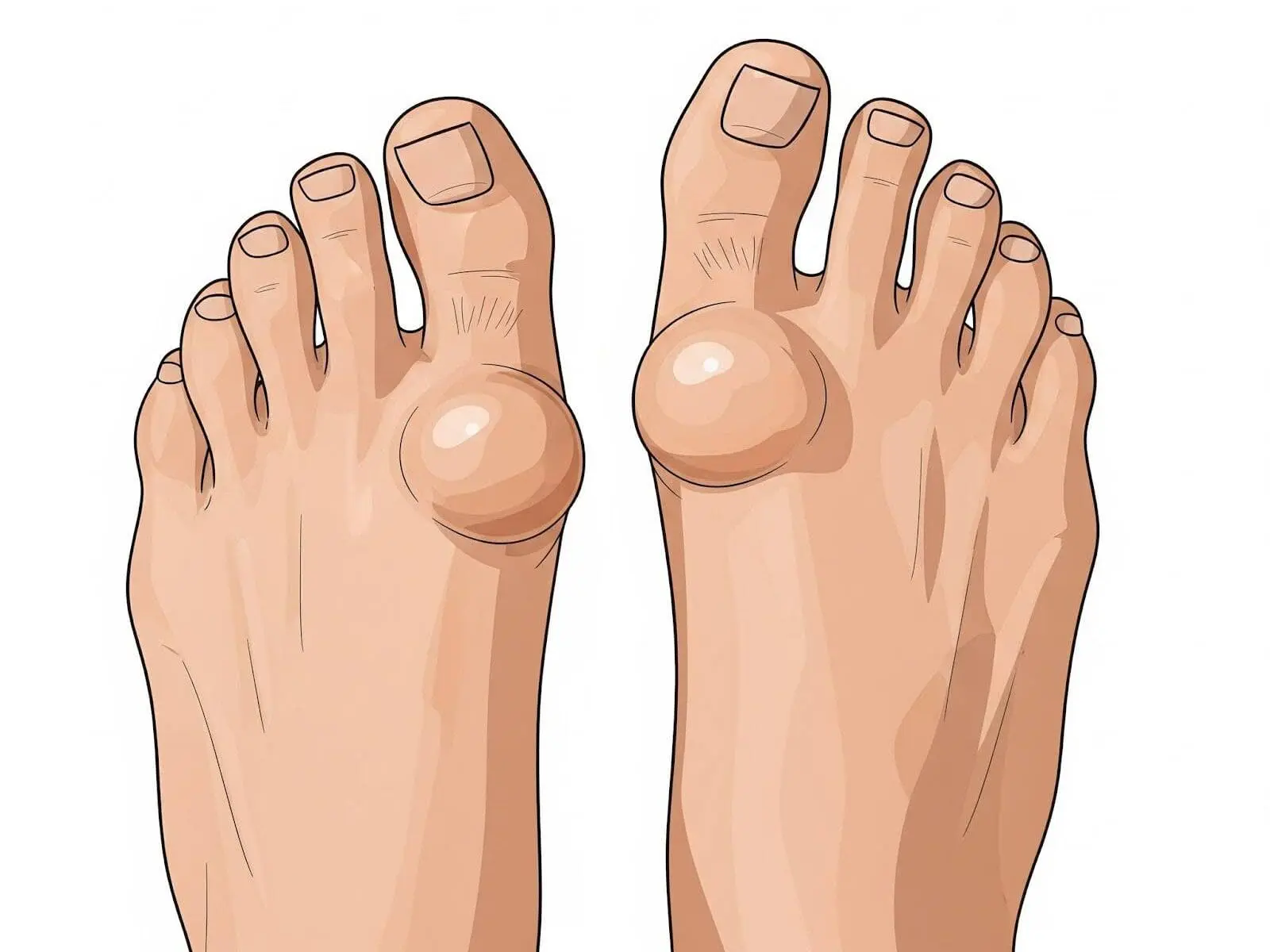
A bunion is a foot condition of older adults that looksl ike a bony bump that forms at the base of the big toe when the joint moves out of place. It can cause swelling, redness, and pain, especially when wearing tight shoes. Genetics, arthritis, and years of wearing narrow footwear are common causes.
Treatment and prevention: Wearing properly fitted shoes, using bunion pads, and applying ice can relieve discomfort. In severe cases, surgery may be required.
2. Hammertoes
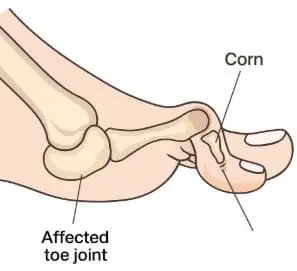
Hammertoes is a foot condition that occurs when the middle joint of a toe bends abnormally, causing the toe to curl downward. This deformity can become rigid and painful over time, especially when wearing shoes that squeeze the toes.
Treatment and prevention: Toe stretches, wearing wide shoes, and using orthotic inserts can help reduce pressure and improve alignment.
3. Flat Feet
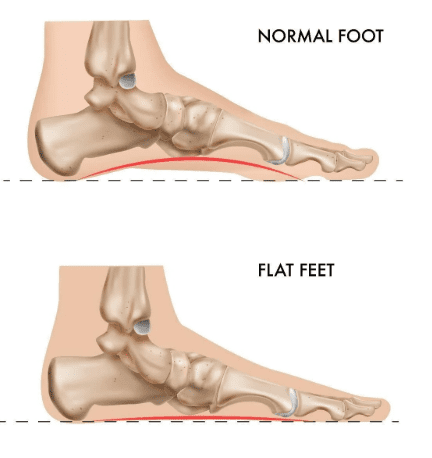
Flat feet, or fallen arches, develop when the foot’s arch collapses. It can cause pain in the heel, arch, or ankle and affect balance and walking.
Treatment and prevention: Supportive footwear, physical therapy, and custom orthotics can help. In severe cases, surgery may be considered.
4. Plantar Fasciitis
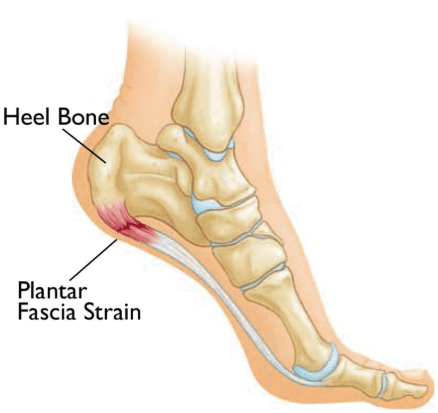
This is one of the most frequent causes of heel pain. It occurs when the thick band of tissue connecting the heel bone to the toes becomes inflamed. Pain is usually worse in the morning or after long periods of standing.
Treatment and prevention: Stretching exercises, arch supports, and anti-inflammatory medications can alleviate symptoms.
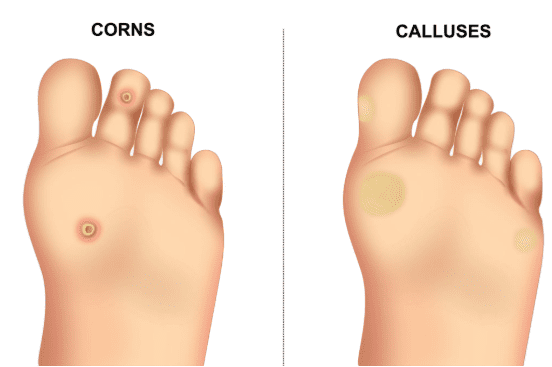
5. Corns and Calluses
These thickened patches of skin develop from friction or pressure, often due to ill-fitting shoes. While usually harmless, they can become painful and make walking uncomfortable.
Treatment and prevention: Using pumice stones, moisturizing regularly, and wearing cushioned shoes can help reduce corns and calluses.
6. Toenail Problems
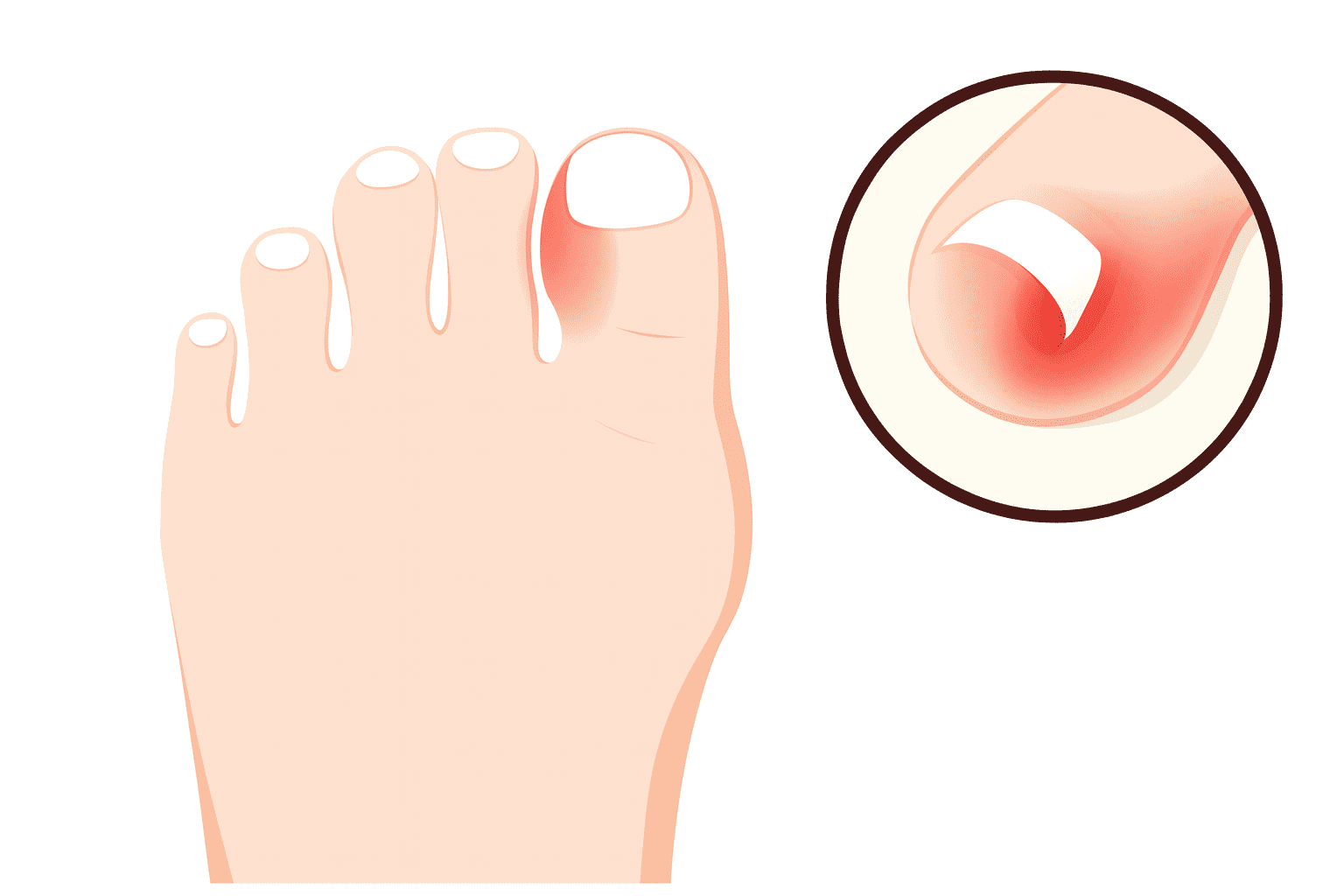
Conditions like ingrown toenails and toenail fungus are common among older adults. Ingrown toenails occur when the nail grows into the surrounding skin, while fungal infections cause discoloration and thickening.
Treatment and prevention: Keep toenails trimmed straight across, wear breathable shoes, and see a podiatrist for persistent infections.
7. Gout
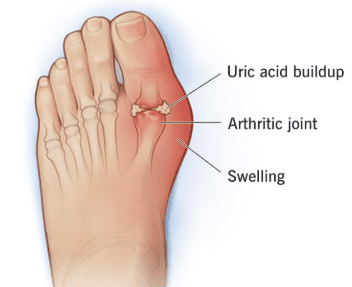
Gout is an inflammatory condition caused by a buildup of uric acid crystals, often affecting the big toe joint. It can cause intense pain, redness, and swelling.
Treatment and prevention: Medication, hydration, and dietary changes can help manage gout symptoms and prevent flare-ups.
What Causes Swollen Feet in Older Adults?
Swelling, also known as edema, is a common concern for older adults. It can occur for various reasons, including:
Poor circulation: Weakened veins make it harder for blood to flow efficiently.
Heart, liver, or kidney issues: Underlying health problems can cause fluid buildup.
Medications: Some medications, like those for blood pressure, can lead to swelling.
Inactivity: Sitting or standing too long can cause fluid to pool in the feet.
How to manage swollen feet:
Elevate your feet when resting, stay active, and wear compression socks if advised by your doctor. If swelling persists or is accompanied by pain, redness, or shortness of breath, seek medical attention promptly.
What Are Some Common Toe Problems?
Older adults are prone to several toe-related issues, including:
Hammertoes: Toes bend abnormally due to muscle imbalance.
Bunions: Big toe joint shifts, forming a bony bump.
Ingrown toenails: Nail edges grow into the skin, causing pain and swelling.
Gout: Inflammation and severe pain in the big toe joint.
Corns: Thick, hardened skin develops on pressure points.
Proper footwear and routine foot inspections can help prevent these toe problems from worsening.
Foot Care for Seniors: Tips for Healthy Feet
Good foot care is essential to prevent pain, infections, and mobility issues. Seniors can maintain healthy feet by following these steps:
Wash and dry feet daily: Pay special attention between toes.
Moisturize regularly: Prevent cracked heels and dryness.
Trim nails carefully: Cut straight across to prevent ingrown toenails.
Choose supportive shoes: Look for cushioned soles, low heels, and wide toe boxes.
Inspect feet regularly: Check for redness, swelling, cuts, or sores.
If you notice persistent pain or swelling, it’s best to consult a doctor. For comprehensive, ongoing support,become a patient at Sage Health and receive tailored care from experts who understand the unique needs of older adults. You can also visit one of Sage Health’sprimary care clinics to learn more about the benefits of being a Sage Health patient.
FAQs About Foot Problems in Older Adults
What causes feet to swell in older adults?
Swelling is often caused by poor circulation, heart or kidney issues, or prolonged sitting or standing.
Can arthritis affect your feet?
Yes. Osteoarthritis and rheumatoid arthritis can both cause pain, stiffness, and deformity in the feet and toes, making walking difficult.
How can diabetes affect the feet?
Diabetes can cause nerve damage (neuropathy) and poor blood flow, increasing the risk of infections, ulcers, and even amputations if not treated early.
What is the best footwear for seniors?
Supportive, low-heeled shoes with non-slip soles and enough room for the toes are ideal. Avoid tight, narrow shoes that can lead to corns or bunions.
Final Thoughts
Foot problems in older adults are common but manageable with the right care. Early detection and prevention can make a big difference in maintaining mobility and independence. Whether it’s addressing pain, improving circulation, or managing chronic conditions, professional care can help keep your feet healthy at any age.
If you’re experiencing ongoing discomfort or foot-related issues,become a patient today or visit one of Sage Health’sprimary care clinics to learn the benefits of becoming a Sage Health patient.
If you’ve been asking what is the difference between a nutritionist and a dietitian, you’re not alone. While the terms are often used interchangeably, they are not the same and choosing the right one can make a big difference in your health outcomes. The short answer: Understanding this difference helps you choose the right support, […]
If you’ve been asking what is the difference between a nutritionist and a dietitian, you’re not alone. While the terms are often used interchangeably, they are not the same and choosing the right one can make a big difference in your health outcomes. The short answer: Understanding this difference helps you choose the right support, […]
If you’ve ever wondered, “can a nutritionist prescribe medication?”, you’re not alone. Many patients exploring nutrition support ask this question when deciding between different types of healthcare providers. The short answer is no, but understanding if a nutritionist can prescribe medication requires a deeper look at roles, credentials, and how nutrition care fits into overall […]
Many people use the terms Alzheimer and dementia interchangeably, which often leads to confusion. A common question patients and families ask is: what is the difference between Alzheimer and dementia? While they are closely related, they are not the same thing. Understanding the difference between dementia and Alzheimer can help you recognize symptoms earlier, seek […]