Vertigo is the unsettling sensation that you or the room are spinning even when you are perfectly still. It can make standing, walking, or even rolling over in bed feel difficult. For older adults, vertigo deserves special attention because it is often caused by minor inner ear issues, but can be caused by more serious medical conditions. Understanding the causes of vertigo in older individuals and how to treat them is key to maintaining safety and independence.
If you’re experiencing ongoing vertigo or dizziness, don’t wait to get help. You canbecome a patient to receive compassionate, personalized comprehensive primary care. Come visit one of Sage Health’sprimary care clinics to experience the benefits of being a Sage Health patient.
What Causes Vertigo in Older Adults?
Most common causes of vertigo in elderly
Vertigo develops when your body’s balance system is disrupted. That system involves both the inner ear and the brain, which work together to keep you stable and oriented. When either is affected, vertigo can result.
Inner Ear Causes of Vertigo in Elderly
Benign Paroxysmal Positional Vertigo (BPPV): Tiny calcium crystals inside the inner ear become dislodged and interfere with balance signals. This causes brief but intense spinning sensations triggered by head movements like lying down or looking up.
Meniere’s Disease: Fluid buildup in the inner ear can cause vertigo, hearing loss, and ringing in the ears.
Vestibular Neuritis or Labyrinthitis: Inflammation of the inner ear or nearby nerves can cause sudden, severe vertigo often after a viral infection.
Acoustic Neuroma: A benign tumor on the nerve between the inner ear and brain that causes hearing loss, ringing, and imbalance.
Brain and Circulatory Causes of Vertigo in Elderly
Stroke or Transient Ischemic Attack (TIA): Reduced or blocked blood flow to the brain can cause vertigo, often with symptoms like weakness, vision changes, or slurred speech.
Arterial Dissection: A tear in the wall of a neck artery can interrupt blood supply to the brain, causing vertigo and neck pain.
Migraine-Related Vertigo: Some older adults experience vertigo during or between migraine attacks, even without a headache.
Brain Tumors: Rarely, tumors pressing on balance centers can lead to vertigo or persistent dizziness.
Medication-Related Causes of Vertigo in Elderly
Certain medications can cause or worsen vertigo, especially those that affect the inner ear. These include:
If you experience new dizziness after starting a medication, discuss it with your doctor before stopping or changing your prescription.
Other Causes of Dizziness and Vertigo in Older Adults
Vertigo and dizziness often overlap, and not all dizziness comes from the inner ear. Additional causes of dizziness in seniors include:
Low iron (anemia): When your blood lacks iron, oxygen levels drop, causing fatigue, weakness, pale skin, and dizziness.
Low blood sugar (hypoglycemia): Common in people with diabetes, symptoms include confusion, sweating, shakiness, and lightheadedness.
Carbon monoxide exposure: This rare but serious condition causes dizziness, nausea, chest pain, and confusion.
Dehydration or overheating: Not drinking enough fluids, especially while on certain medications, can lead to dizziness and fainting.
Is Vertigo Common in Seniors?
Yes, vertigo and dizziness are very common among older adults. Age-related changes in the inner ear, vision, and blood flow increase the risk. Chronic conditions such as diabetes, heart disease, or arthritis can further impact balance. It’s essential to identify the cause early since vertigo significantly increases the risk of falls.
Symptoms of Vertigo in Elderly
Vertigo symptoms vary, but they commonly include:
Spinning or tilting sensations
Nausea or vomiting
Difficulty walking or maintaining balance
Blurred vision when turning the head
Sensitivity to movement or light
Seek emergency care immediately if vertigo is accompanied by:
Weakness or numbness in the face or limbs
Trouble speaking
Vision loss or double vision
Severe headache or chest pain
Recent head injury
Vertigo and Dizziness in Older Adults
Vertigo is a spinning sensation, while dizziness can also include feelings of faintness or imbalance. Seniors often experience both together, which can complicate diagnosis. Identifying when and how the symptoms occur, such as after standing up quickly or turning the head can help doctors pinpoint the cause.
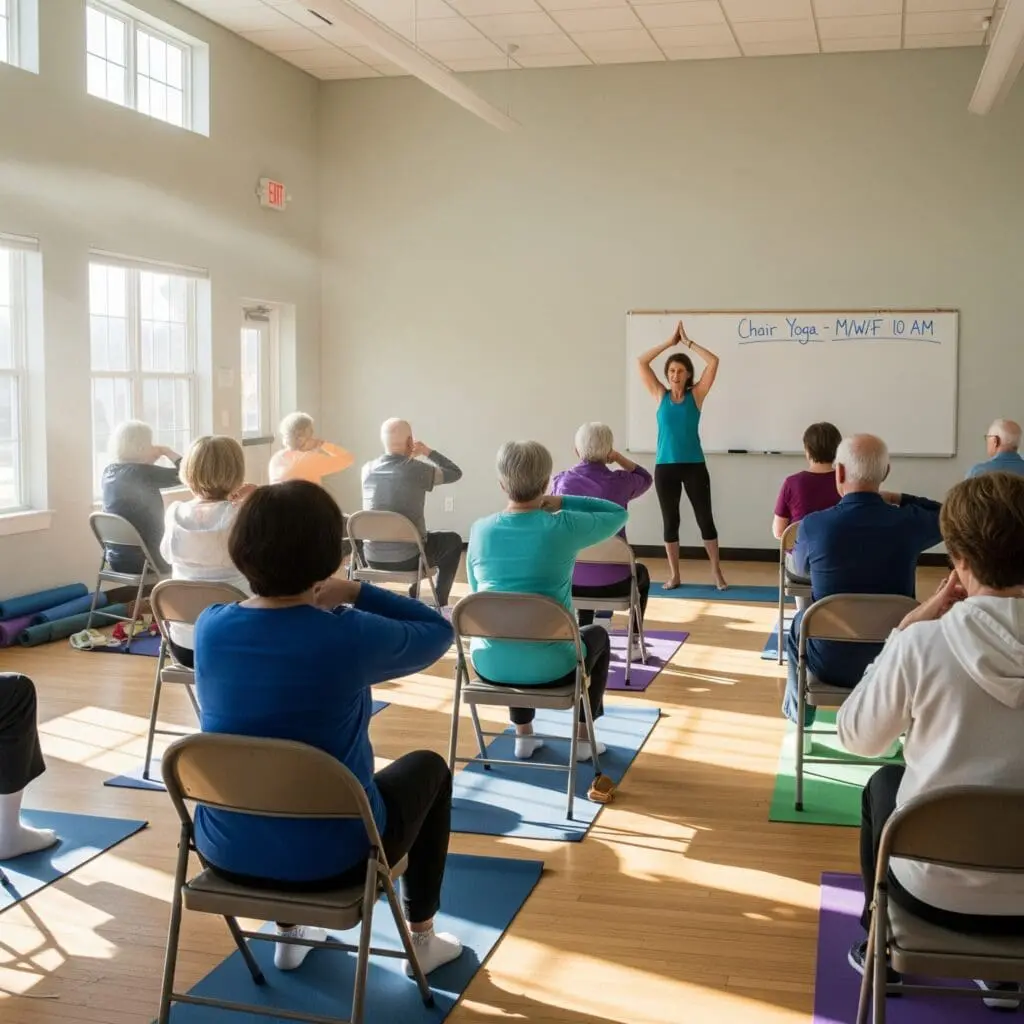
Vertigo Exercises for Seniors
Once serious causes are ruled out, vertigo exercises can help improve balance and reduce spinning sensations:
Epley Maneuver: A series of guided head and body movements to reposition inner ear crystals (for BPPV).
Brandt-Daroff Exercises: Simple, repeated side-lying movements to retrain balance over time.
Vestibular Rehabilitation Therapy: Physical therapy that strengthens balance and coordination.
Safety Tips: Rise slowly, keep your home free of tripping hazards, and use support rails if needed.
How Is Dizziness Treated in Older Adults?
Treatment depends on the cause. Common options include:
Medication adjustments: If dizziness is caused by new medication, your doctor may modify or replace it.
Balance exercises: Vestibular rehabilitation helps strengthen your balance and reduce dizziness.
Medications: Depending on the cause, treatment may include diuretics (for Meniere’s disease), antihistamines, anticholinergics, anti-anxiety medications, or migraine preventives.
Canalith repositioning: Head movements guided by a clinician to relieve BPPV, often effective in one or two sessions.
Injections: In severe Meniere’s cases, injections can disable balance signals in the affected ear so the other ear compensates.
Preventing Falls in Older Adults with Dizziness
The most serious consequence of dizziness in seniors is fall-related injury. Preventing falls starts with awareness and preparation:
Stay physically active to maintain balance and muscle strength
Use handrails and grab bars around the home
Stand up slowly and keep a sturdy chair nearby
Use a cane or walker if recommended
Secure rugs and ensure good lighting
Prepare meals while seated
Use a reach stick for high shelves
Wear non-slip, supportive shoes
Talk to your doctor if new medications cause dizziness
When to Seek Medical Care
Persistent or worsening vertigo, especially with new neurological symptoms, should be evaluated immediately. Even mild dizziness that interferes with daily life deserves professional attention. To get comprehensive care,become a patient today and receive tailored support from experts who understand the unique needs of older adults. You can also visit one of Sage Health’sprimary care clinics to learn more about the benefits of becoming a Sage Health patient.
FAQs About Vertigo and Dizziness in the Elderly
Is vertigo common in seniors?
Yes. It often occurs due to inner ear changes, medication effects, or reduced circulation. Always consult a doctor if you experience vertigo for the first time.
What causes vertigo in older adults?
Common causes include BPPV, Meniere’s disease, vestibular neuritis, medication side effects, or stroke.
What are early symptoms of vertigo in elderly?
Spinning sensations, unsteadiness, nausea, and motion sensitivity. Seek help if accompanied by headache, weakness, or vision changes.
Can dehydration cause dizziness in seniors?
Absolutely. Not drinking enough water, especially in warm weather or when taking diuretics, can cause dizziness or fainting.
Do vertigo exercises for seniors really work?
Yes, Epley and vestibular rehabilitation exercises can be highly effective once the underlying cause is confirmed.
Heart disease remains a common and serious health condition among adults, yet many people don’t recognize the symptoms early. While chest pain is the most known sign, the truth is that early warning signs of heart disease can be much more subtle especially in older adults. Recognizing these symptoms early can help prevent serious complications […]
Heart disease remains a common and serious health condition among adults, yet many people don’t recognize the symptoms early. While chest pain is the most known sign, the truth is that early warning signs of heart disease can be much more subtle especially in older adults. Recognizing these symptoms early can help prevent serious complications […]
As we age, maintaining flexibility, balance, and peace of mind becomes even more important. Yoga offers a simple, low-impact way to stay active, centered, and connected both physically and mentally. At Sage Health, we offer yoga for older adults near you as part of our wellness programs. These classes are designed for every ability level, […]
As the air cools and the leaves turn brilliant shades of red and gold, fall brings countless opportunities for older adults to enjoy the season in fun, meaningful ways. Whether you prefer the comfort of your home or love spending time outdoors, there are plenty of autumn activities for older adults that promote health, joy, […]