» Health Outcomes » Early Warning Signs of Heart Disease You Should Pay Attention To
Early Warning Signs of Heart Disease You Should Pay Attention To
February 5, 2026
Heart disease remains a common and serious health condition among adults, yet many people don’t recognize the symptoms early. While chest pain is the most known sign, the truth is that early warning signs of heart disease can be much more subtle especially in older adults.
Recognizing these symptoms early can help prevent serious complications and may even save your life.
If you experience any of these warning signs, it may be time to become a patient at Sage Health and speak with a primary care provider who understands your needs.
What Causes Heart Disease?
Heart disease develops when the heart or blood vessels are damaged or weakened. The most common cause is plaque buildup in the arteries known as atherosclerosis which reduces blood flow to the heart.
Common causes include:
High blood pressure
High cholesterol
Smoking
Diabetes
Obesity
Chronic stress
Poor diet
Lack of exercise
Over time, these factors place strain on the heart and increase the likelihood of heart attack, stroke, or heart failure.
Top Early Warning Signs of Heart Disease
Many early signs of heart disease appear gradually. If you notice more than one of these symptoms, it’s important to take them seriously and consult a doctor.
1. Chest Discomfort or Tightness
A feeling of pressure, heaviness, or tightness in the chest may be a sign of reduced blood flow to the heart. It may come and go especially during activity and is often described as a squeezing or “band-like” sensation.
2. Shortness of Breath
Struggling to catch your breath during simple tasks like walking or climbing stairs can indicate the heart isn’t pumping efficiently.
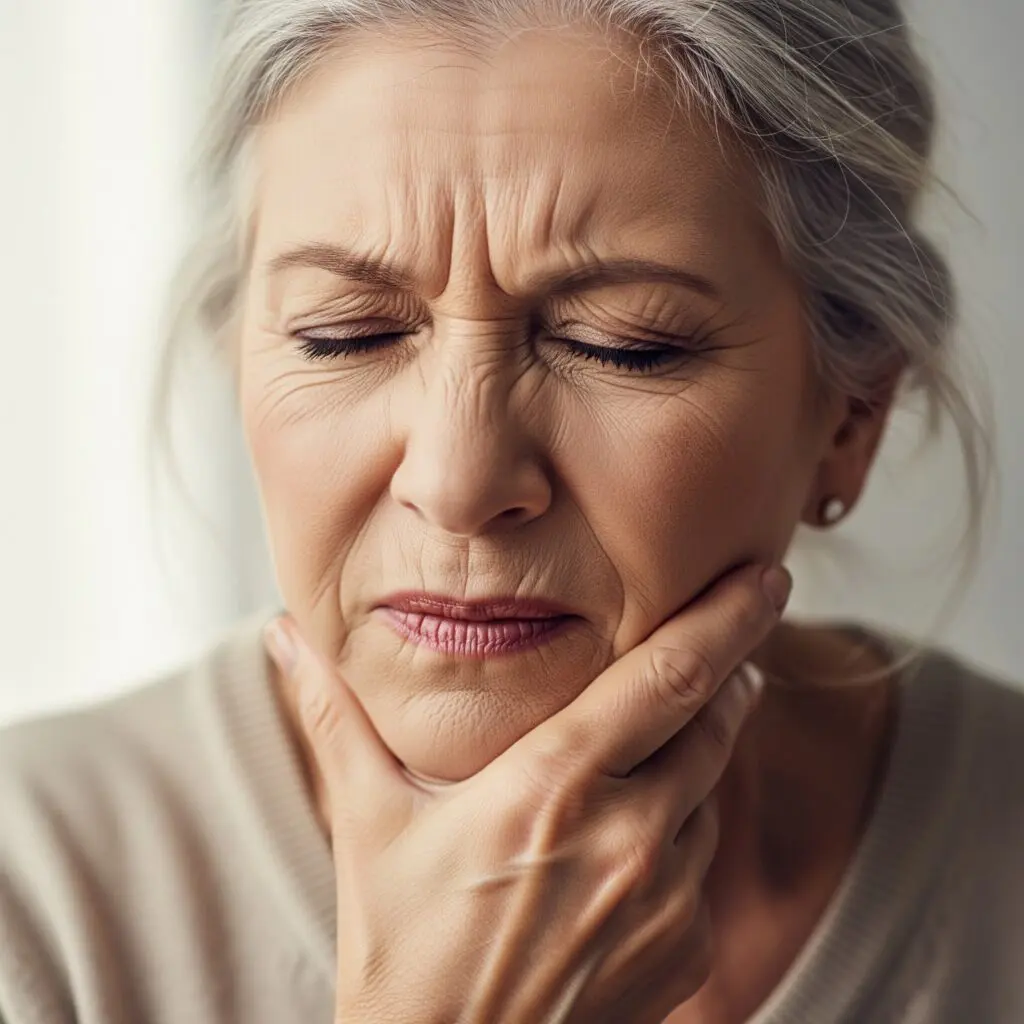
3. Pain in the Jaw, Neck, Back, or Arms
Heart-related pain doesn’t always stay in the chest. It can spread to:
The left or right arm
The jaw
The neck
The back
These symptoms often appear in women more than men.
4. Fatigue That Feels “Different”
Unexplained exhaustion even after resting can be an early sign that the heart is not providing enough oxygen to the body.
5. Swollen Ankles or Legs
Swelling in the lower legs may signal heart failure, where the heart struggles to pump blood effectively, causing fluid buildup.
6. Nausea or Indigestion-Like Discomfort
Some people mistake heart symptoms for stomach issues. Persistent nausea paired with chest pressure should not be ignored.
If any of these symptoms sound familiar, it may be time to become a patient at Sage Health and get the personalized care you deserve.
Early Signs of Heart Disease in Males
Men often experience heart disease earlier in life than women, and their symptoms can be more classic or “textbook.”
Common early signs include:
Chest pain or pressure, especially during activity
Arm or shoulder pain (usually left side)
Shortness of breath
Palpitations or irregular heartbeat
Dizziness or lightheadedness
Excessive sweating without activity
Even mild symptoms should not be dismissed. Early detection is key to preventing heart attacks.
If you’re noticing these patterns, now is the time to become a patient at Sage Health and speak with a primary care provider.
Early Signs of Heart Disease in Females
Women often experience more subtle symptoms, making early signs harder to recognize. Women are also more likely to experience symptoms outside the chest.
Common early signs include:
Pain in the jaw, neck, back, or upper belly
Unusual fatigue lasting days or weeks
Nausea or vomiting
Shortness of breath
Dizziness or faintness
Chest pressure that feels mild, not severe
Because symptoms may be less obvious, many women delay seeking help, increasing risk.
As we age, our feet bear the weight of a lifetime quite literally. Decades of walking, standing, and wearing different types of footwear can lead to various foot conditions. Foot pain and other problems become more common in older adults, often impacting balance, mobility, and quality of life. Understanding the causes, symptoms, and treatments for […]
As we age, maintaining flexibility, balance, and peace of mind becomes even more important. Yoga offers a simple, low-impact way to stay active, centered, and connected both physically and mentally. At Sage Health, we offer yoga for older adults near you as part of our wellness programs. These classes are designed for every ability level, […]
As the air cools and the leaves turn brilliant shades of red and gold, fall brings countless opportunities for older adults to enjoy the season in fun, meaningful ways. Whether you prefer the comfort of your home or love spending time outdoors, there are plenty of autumn activities for older adults that promote health, joy, […]
Vertigo is the unsettling sensation that you or the room are spinning even when you are perfectly still. It can make standing, walking, or even rolling over in bed feel difficult. For older adults, vertigo deserves special attention because it is often caused by minor inner ear issues, but can be caused by more serious […]